Category: Game Design

  • Deadlock: Old Gods, New Blood Review or Why We Play Games That Hurt Us

    Deadlock: Old Gods, New Blood Review or Why We Play Games That Hurt Us

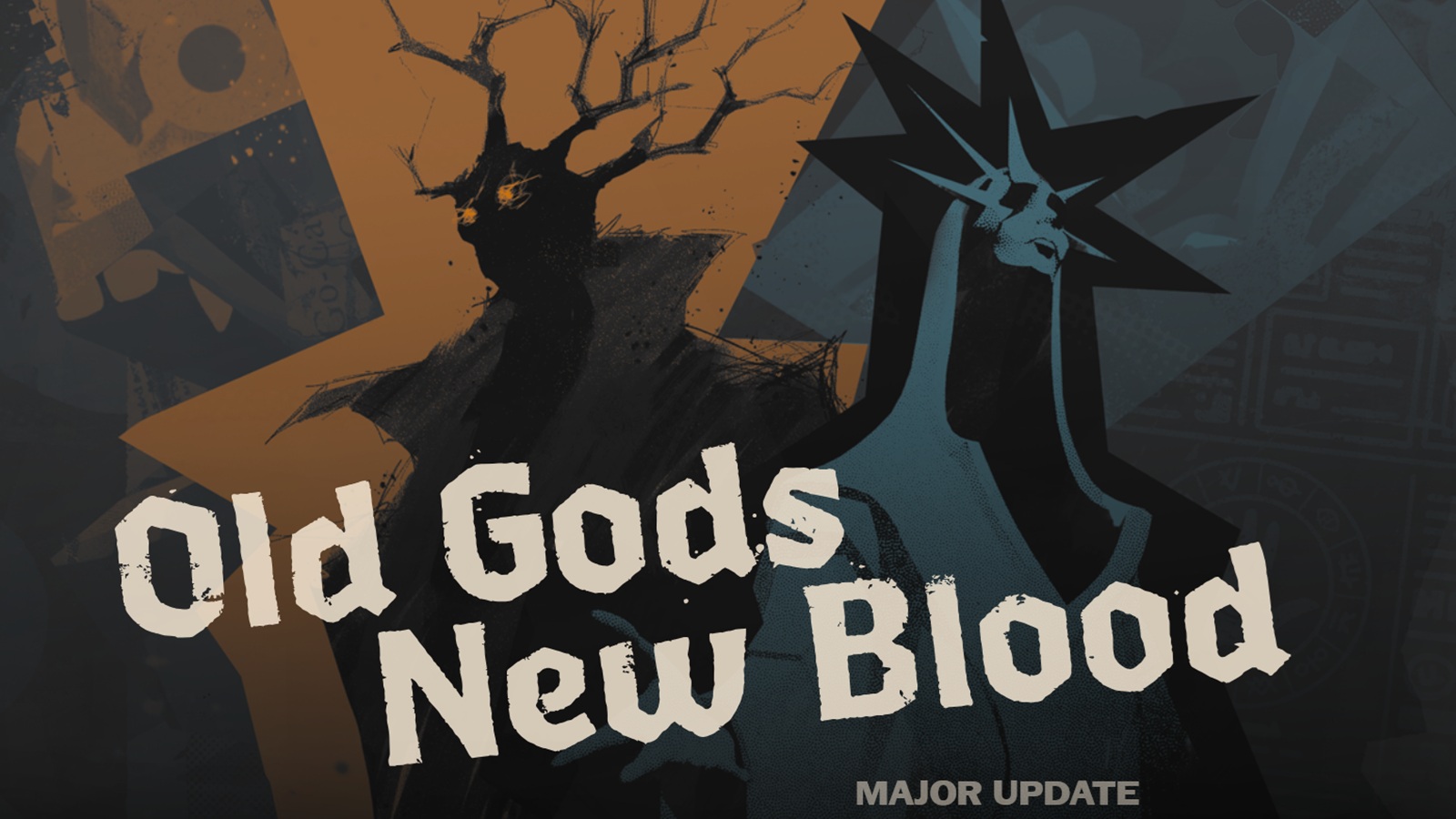
    Deadlock may be a game without an intended audience, but it’s clear that hasn’t stopped Valve’s latest experiment from succeeding. After an extended period of open beta testing, the Old Gods, New Blood patch has updated the game’s overall look and feel to be more cohesive and expressive. Red team is now fighting under the Hidden King and the Blue team are followers of the Arch Mother.
    What remains from my previous endeavor in Valve’s fictional New York City is gameplay that hasn’t evolved much past Defense of the Ancients circa 2006 fused together with a loose interpretation of what it means to be a third-person shooter. The game is still split into two major components: character select and item select. Normally, I would complain about the fact that Valve is dead set on making this more akin to an ARTS like DOTA or Smite than a traditional “hero” shooter. Items in Deadlock are exemplary of what they should be for the genre it is in, despite me wishing they didn’t exist. Being able to adjust your character’s strengths and weaknesses throughout a match is very useful to avoid players feeling like games are decided solely by character select. All in all, the MOBA-style gameplay loop offers players who might not be comfortable with a more shooting focused third-person shooter a more comfortable on-ramp, making Deadlock easier to find a friends to play with than others.

    The biggest deciding factor in a character’s strategic diversity is their weapon of choice, which lead to lopsided character balance and annoying match ups. McGuiness, for example, can benefit from a wide array of different types of items, but due to her gatling gun-styled weapon, she can also upgrade her basic attack to a ridiculous level. This can feel like a lottery at times, as the usefulness of a character’s weapon often feels like its based on aesthetic preferences from the character artists rather than intended game design.

    What’s left over is better than the sum of its parts, but only just. Every aspect of Deadlock seems to be designed to bring in as many new players to both third-person shooters and ARTS/MOBA as possible while greasing the wheels and leaving up the guard rails up to avoid giving players any reason to stop playing. What’s more accessible than a game that plays itself once you’ve been fed enough and can follow an enemy’s silhouette with your crosshair?

    On the topic of accessibility, Deadlock suffers from the same issues as its predecessors—namely that it has 30+ characters and even more items that can fit into up to eight item slots, making for an innumerable amount of information for new players to digest before playing optimally. How games like this get new players and folks still struggle to play fighting games is beyond me.

    Last of note is how Valve has been releasing new characters. Each big update has come with a set of fresh heroes to play as and against. 2025 brought with it Victor, Paige, Drifter, Mina, and Billy. From my experience, four out of six of these characters are either:

    1. Annoying as hell to fight against
    2. Way too powerful when fed early on
    3. Lacking much skill expression to make better players stand out
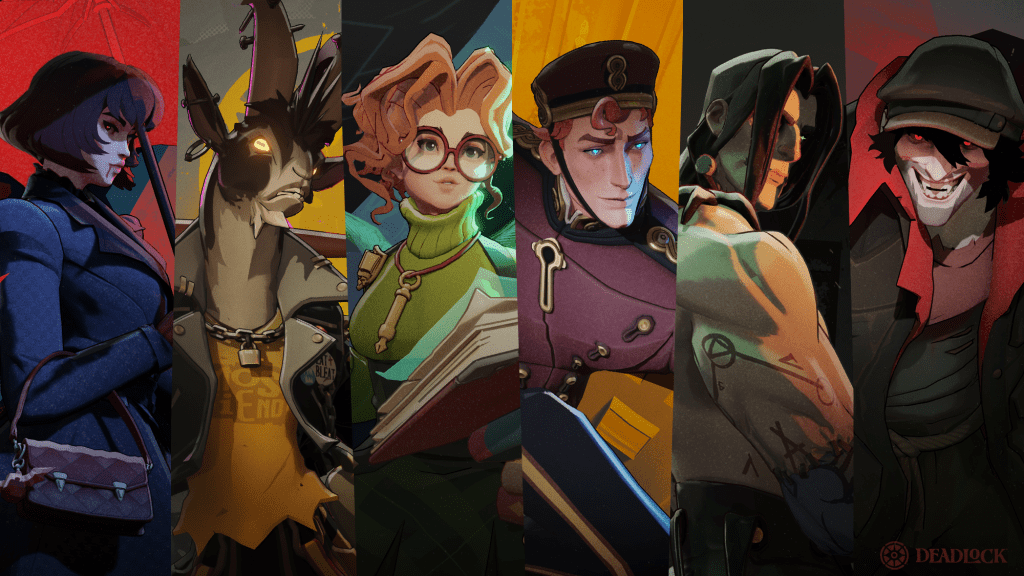
    You can guess who is who.

    Olds Gods, New Blood has brought another sinister six to the roster, including Apollo, Celeste, Graves, Rem, Silver, Venator. Although only two are released as of this publication, I can already tell that Rem and Graves are described by at least one of the there complains listed above, if not all three.
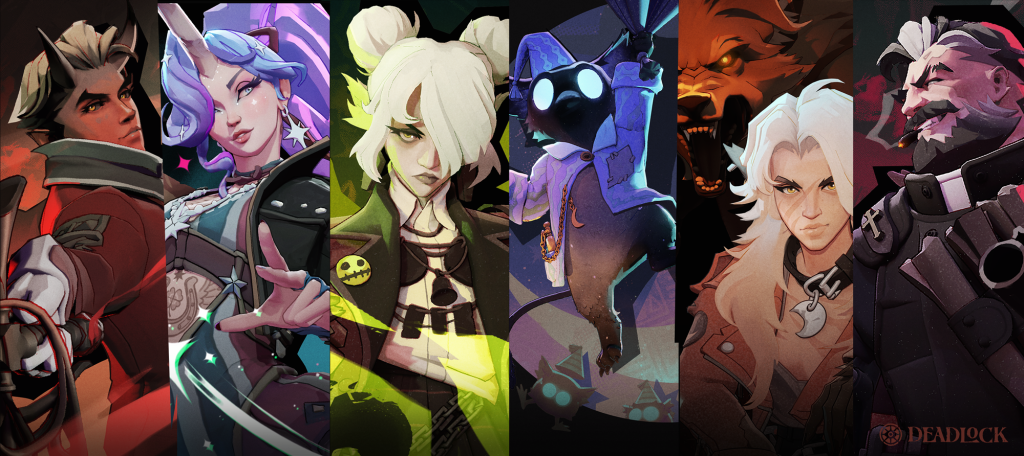
    As the lines blur between open beta and a soft release, Valve has made it abundantly clear that their release cycles will mimic other games in the genre to a tee. New characters will dominate until player backlash becomes too much to ignore and the community’s whales have been drained of all of their precious oil. Annoying character designs will also be characters who are incredibly powerful and dominant in matchmaking, and they will never feel as devastating when a team mate is controlling them.

    I’m still enjoying myself with Deadlock, but I suspect it has more to do with my investment in the genres it borrows from and my friends logging in to play more than the game design itself. I would have fun rubbing rocks together if my friends were down. This game feels like any game you might play with friends, except it is intended to annoy you to death over the course of a 60 minute match.

  • “It’s Just a Game”: How to Avoid Annoying Your Online Audience to Death

    “It’s Just a Game”: How to Avoid Annoying Your Online Audience to Death

    Understanding how your online multiplayer game may be used to abuse your player base by bad apples is a key component to keeping a healthy audience of friendly, inclusive, and happy players. If you find your audience begin to skew more toxic and angry, take a look at your game and what elements may be specifically abrasive when played by someone who wants to ruin the fun for everyone else.

    Games are not meant to be taken too seriously. There’s a reason that little league baseball diamonds have signs to warn parents against getting too heated during their child’s game. That being said, it is human to take something one is passionate about to heart. Telling folks that “it’s just a game” is often an unhelpful dismissal of the experience that person is having, especially in instances where the game design itself is to blame for the player’s frustrations. Keep in mind, a developer’s job is to evoke specific emotions: it is not the player’s job to be in the right mindset or react appropriately.

    Giving players the chance to chat with one another is becoming increasingly unnecessary as accessibility features progress rapidly. Context specific pinging systems, canned alerts, and emojis offer plenty of chances for players to interact without the chance of them throwing slurs and insults at one another. Let folks communicate through their favorite VoIP application with people they like and keep in-game communication as an options for players to opt in for instead of having it as a default setting.

    “I love being an annoying prick in online games, especially when I’m better than my opponent. Do I think that’s a particularly pleasant personality trait? Hell no!”

    Bad actors can use more than just communication tools to troll and goad other players; specific game designs can often be abused, if not used as intended, to annoy and frustrate opponents. This is an established tactic in all competitive games, but there is a reason that competitive poker players are limited in how they can interact with the other players at the table. A good litmus test for whether a mechanic could potentially be used as a psychological shiv against others is for designers to playtest with competitive players rather than with other developers. Letting more invested players beat your ass by wiping your mental stack and making you want to punch your monitor can be an effective way to iron out these kinds of tools.

    Animations, aesthetics, and sounds can also be used by players to annoy and frustrate others. Anyone who has played a particularly spicy Jigglypuff player in Smash Bros. knows how old it gets to hear them taunt repeatedly from across the stage. Costumes and cosmetics can be specifically tailored to vex opponents just as easily. Mortal Kombat’s fatalities are infamous for causing players to turn off their game in anger. Were they just as bad back in the arcades? Probably, but being online only exacerbates the issue.

    There is a long precedent of both games that lean into aggressive behavior and avert negative play experiences through clever design. Mortal Kombat 1 is an example of playing both sides: players can brutally disembowel each other post-match but attempting to tea-bag one’s opponent will result in an innocuous taunt instead. NetherRealm Studios also made the baffling decision to let players chat over VoIP by default. Apex Legends does a stellar job of encouraging interaction between team mates without requiring them to communicate verbally or through chat. Most games don’t even allow randomly matchmade opponents to chat with one another, but even canned messages and emojis can be abused. At the end of the day, there is nothing to replace community moderation, but developers have plenty of tools in their repertoire to avert a player’s influence over others’ emotional wellbeing.

    Each piece of your design can and will be used against other players by bad actors if you let them. I should know… I love being an annoying prick in online games, especially when I’m better than my opponent. Do I think that’s a particularly pleasant personality trait? Hell no! There will always be a place for people like me in online games, but it should be a result of intentional design and not an accidental byproduct of innocent intentions. Keep in mind how players will play your game beyond the boundaries of your expectations and help avoid tensions among players by resolving those pain points before they become cudgels used to beat your audience into submission.

  • Real-Time Strategy Expectations Versus Reality

    Real-Time Strategy Expectations Versus Reality

    Player expectations can vary depending on a myriad of variables too varied to count. As a child, I was drawn to the “sexier” elements of real-time strategy games like Starcraft, Warcraft, Command & Conquer, and Age of Empires, such as building a giant army and watching it clash against my opponent’s. Without a clue as to what competitive gameplay looked like and high on passion for the more simulation-style elements of the genre, I struggled to grasp what made these games tick. Watching high-level competitive matches of Starcraft: Brood War and Warcraft 3: The Frozen Throne as an adult has exposed the vast chasm between my expectations as a younger player and the reality of winning an actual match online.

    How to Play Terran – Starcraft: Brood War

    I was originally drawn to the cowboys-in-space fantasy that Terran represented; lining tanks up and bombarding enemies with nuclear bombs seemed like cool enough tactics to make the game worth playing as a Timmy/Johnny hybrid. Siege Tanks are undoubtedly one of the most important units in the Terran arsenal, but my least favorite unit has now become the one piece I rely on most in 99% of my own matches.

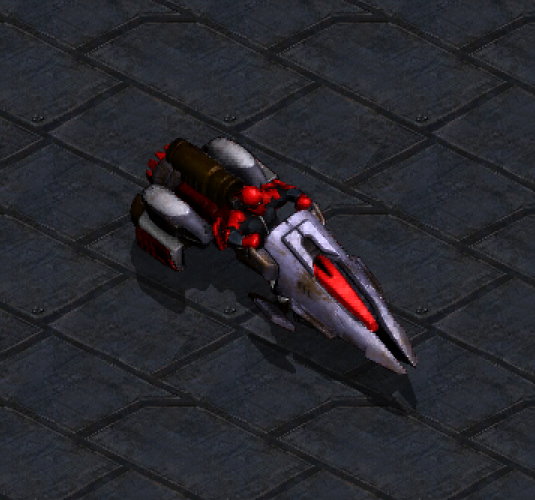
    The Vulture is an unassuming hovercycle with a grenade launcher and the ability to plant land mines that chase nearby enemies and provide surveillance of the surrounding area. Without much armor and a short attack range, I originally thought that they were primarily a scout unit without much extra utility. Watching any competitive Starcraft: Brood War game with Terran will quickly reveal just how important they are to the race’s game plan. Not only do they provide lightning-fast scouting, but their mines are some of the best area denial and vision abilities in the game. In small numbers, Vultures are vicious harassing units and they also pack quite a punch in larger groups.

    Warcraft 3 is Not an Army Simulator

    Although I played a lot of Starcraft, Warcraft 3 is my favorite game of all time and played a significant part in my childhood entertainment. That being said, none of my Warcraft 3 “ladder” matches involved any of the key components of competitive Warcraft: micro, efficient creeping, harassing, and unit diversity. My goal was often to mass a specific unit and smash my head on the keyword in an attempt to appeal to the almighty random number generator. Not only is high-level Warcraft 3 more about leveling Heroes, but armies are often small, varied groups of units that play off of each other’s strengths.

    I now realize that heroes that are generally considered great choices are completely opposite to the ones I liked most and for completely different reasons. Splashy and dramatic spells pale in comparison to the ability to summon “more dudes” to fight your opponent. The Farseer, Firelord, and other summoners dominate the competitive landscape together with heroes who provide passive benefits to their armies like the Death Knight and the Keeper of the Grove. Having more boots on the ground in a game about small skirmishing armies makes sense to me as an adult, but it was completely lost on me as a child.

    There was a reason I played more custom games than ladder matches, but as an adult, I now fully appreciate the value of a Circlet of Nobility. Minor stat benefits aren’t often attractive to Timmy or Johnny, but I’ve aged into being more of a Spike in my early 30s. Despite Blizzard’s downfall and the demise of Warcraft 3: Reforged, I suspect I’ll be playing Warcraft 3, Starcraft: Brood War, and other real-time strategy games in the future.

    Speaking of which, I just helped fund Zero Space, a new RTS game that seems to land somewhere in between Starcraft, Warcraft, and Warhammer: Dawn of War. Check it out on Steam and Kickstarter.

  • Marvel Crisis Protocol – A New Hope for Tabletop Game Design

    Marvel Crisis Protocol – A New Hope for Tabletop Game Design

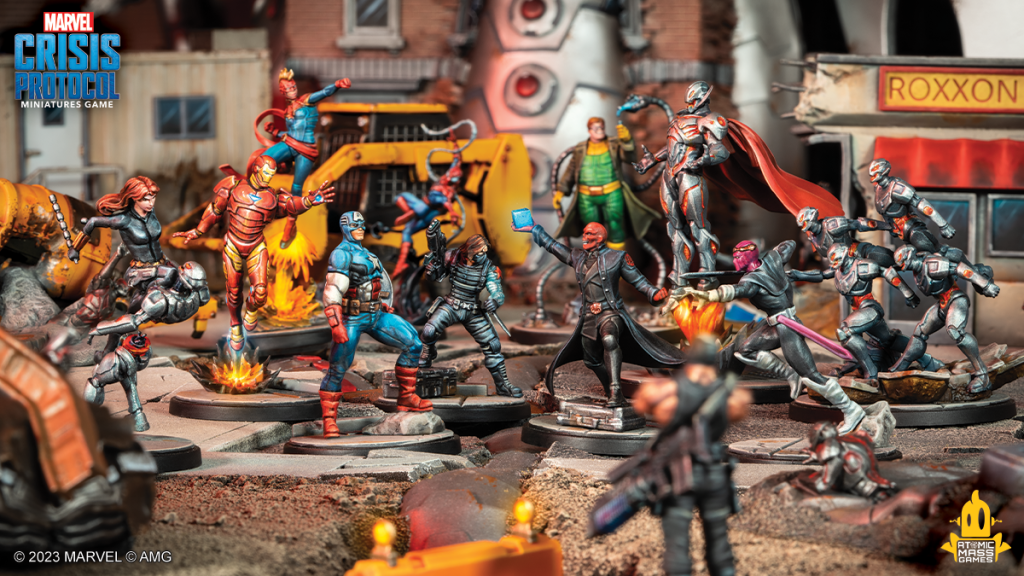
    Atomic Mass Games’ first entry into the tabletop skirmish arena Marvel Crisis Protocol stands apart from its peers at first blush. Not only is it based on Disney’s third most popular intellectual property, but MCP manages to be simple to play without speaking down to its players.

    Marvel Crisis Protocol epitomizes the tabletop skirmish game by giving players a short but engaging experience with just enough tools to create memorable moments and flex their strategic muscles. There aren’t a variety of play styles that segment the community between casual, narrative, and competitive players. Each game of MCP is played with the same ruleset.

    This accomplishment is especially important given the legacy of tabletop wargaming’s biggest model company. Games Workshop notoriously operates as a model making company first and a games company second. It’s taken AMG less than 3 years to create a tabletop strategy game that rivals the industry’s 800lb gorilla, but the question still remains whether their rise in popularity will last. For now, Marvel Crisis Protocol has become my favorite tabletop skirmish game and a mainstay at tabletop gaming conventions the world over.

    The catch is that I love MCP for a lot of the same reasons I disliked it at first blush. I’m a vocal proponent of low-component games or games that use components that gamers have access to already. Marvel utilizes proprietary 8-sided dice and measurement tools while also requiring at least 10 terrain pieces of various shapes and sizes. A lot of my concerns were quickly remedied by the existence of the original core set that provides all of the tools and terrain necessary to play. Is it a shame that folks need to buy a large box product to enjoy the game? Partially, but the core box is set up as a significant loss leader for AMG; it offers a lot of product at a discount to get folks into the game and make up the difference in return patronage.

    Now that a second core set is rapidly approaching (scheduled for an October release), Marvel Crisis Protocol doesn’t seem to be going away anytime soon. One of the most frequent compliments I’ve heard thus far is that the newer range of models from AMG represent a clear leap forward in model design, quality, and assembly. As a newer player, I was initially taken aback given just how great the original core box is, but I understand now that the difference is more in design philosophy rather than overall fidelity.

    The original core box is great for anyone who enjoys models that can take a beating and keep on kicking. More reliable than dynamic, the original Marvel Crisis Protocol models rely on heroic albeit static poses; Captain America is leading the charge but most are standing flat footed with hands on their proverbial hips. This means that even the most novice tabletop gamer can have fun without worrying about breaking their new toys.

    More modern miniatures show Marvel’s finest superheroes flying or jumping off of debris or enemy. The few over designed ones, like Carnage or Malekith, can be tricky to build and even more finicky to play. That shouldn’t be anything new to fans of Warhammer, but it showcases how too much of a good thing can be bad.

    Thankfully, AMG’s signature skirmish game captures its players attention during each step of tabletop gaming journey. From assembly to playing with painted models on the table, Marvel shines as a beacon of hope for the future of non-Games Workshop properties.

    Similar to games like Magic the Gathering and Warcry, it can often be just as fun to talk about and build squads as it is to play MCP. The out of game experience benefits greatly from the fashion in which factions are developed. Specific characters have leadership abilities that can be accessed by gathering a squad consisting of at least half that faction’s members. Instead of selecting an army in Warhammer, Marvel’s team building system allows each model to be a potential member of any squad. Each model is packaged with at least one other model, so each purchase offers the opportunity for further team building exploration.

    Not everything is rainbows and sunshine in Marvel land, but Atomic Mass Games has proven their ability to create stellar miniatures and games to go along with them. With their fourth anniversary on the horizon, I look forward to seeing what Marvel Crisis Protocol has to offer in the future.

  • Player Psychographics in Warhammer 40k

    Player Psychographics in Warhammer 40k

    Everyone is different. Thankfully, tabletop wargames offer a great case study of the various player psychographics that help designers categorize different types of players and what makes them tick. Timmy, Jimmy, Spike, and Vorthos are all equally valid and developers should be cognisant of their wants, needs, and turn-offs.

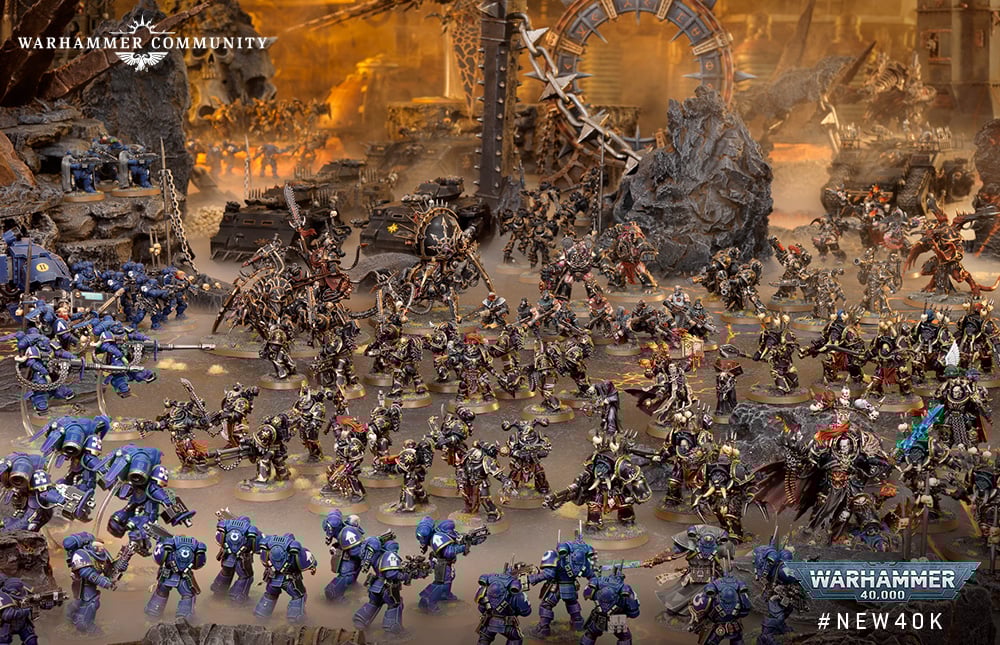
    The Tau Empire is well known for its devastating ranged firepower and not much else. This polarizing design offers players who are drawn to that play style a comfortable and familiar place to get into Warhammer while leaving a sour taste in other players’ mouths who prefer meeting their opponents in face-to-face combat. It is often more effective to create a game that some people love and some people dislike than a game that everyone thinks is so-so. Focusing on the various types of players your game will attract will help you create unique experiences that will resonate with different types of people.

    Orkz are as simple as it gets: march forward, charge, and clobber your opponent. Timmy prefers showing up to the game table with a few beers and a bowl of peanuts and appreciates the lack of complexity, while Johnny would be bored before the game even started.

    Johnny wants to express something about themselves, and thankfully, tabletop gaming offers plenty of opportunities. Not only does the act of hobbying create a sense of ownership, but the Johnny will also be happy as a clam with a list building app or a codex with all of the options and combos they have at their disposal laid bare.

    Spike isn’t looking for a specific aesthetic or style as much as they enjoy the experience of learning and perfecting their gameplay to be the best that they can be. Skill expression isn’t as much of a concern, as long as they have the best chance at winning. This player will be more focused on the minutae of gameplay rather than anything else and pushing specific values in certain areas will give them plenty of clues to discover.

    Vorthos are often more difficult to design for, given they are specifically drawn to the storylines, characters, and background lore. Tabletop wargaming offers a unique look into potential gameplay hooks for these types of players; fundamentally tabletop gaming is about shared storytelling and these players will be most drawn to that aspect of the game. Artwork, stories, and the miniatures themselves will do wonders towards catching a Vorthos’ eye.

    These basic player psychographics extend far past tabletop wargaming, but they can be especially useful when designing a multifaceted miniatures strategy game. No player will love every aspect of your project, but when each feature is designed to be loved by someone, you’re bound to have left a memorable expression.