Tag: blizzard

  • “It’s Just a Game”: How to Avoid Annoying Your Online Audience to Death

    “It’s Just a Game”: How to Avoid Annoying Your Online Audience to Death

    Understanding how your online multiplayer game may be used to abuse your player base by bad apples is a key component to keeping a healthy audience of friendly, inclusive, and happy players. If you find your audience begin to skew more toxic and angry, take a look at your game and what elements may be specifically abrasive when played by someone who wants to ruin the fun for everyone else.

    Games are not meant to be taken too seriously. There’s a reason that little league baseball diamonds have signs to warn parents against getting too heated during their child’s game. That being said, it is human to take something one is passionate about to heart. Telling folks that “it’s just a game” is often an unhelpful dismissal of the experience that person is having, especially in instances where the game design itself is to blame for the player’s frustrations. Keep in mind, a developer’s job is to evoke specific emotions: it is not the player’s job to be in the right mindset or react appropriately.

    Giving players the chance to chat with one another is becoming increasingly unnecessary as accessibility features progress rapidly. Context specific pinging systems, canned alerts, and emojis offer plenty of chances for players to interact without the chance of them throwing slurs and insults at one another. Let folks communicate through their favorite VoIP application with people they like and keep in-game communication as an options for players to opt in for instead of having it as a default setting.

    “I love being an annoying prick in online games, especially when I’m better than my opponent. Do I think that’s a particularly pleasant personality trait? Hell no!”

    Bad actors can use more than just communication tools to troll and goad other players; specific game designs can often be abused, if not used as intended, to annoy and frustrate opponents. This is an established tactic in all competitive games, but there is a reason that competitive poker players are limited in how they can interact with the other players at the table. A good litmus test for whether a mechanic could potentially be used as a psychological shiv against others is for designers to playtest with competitive players rather than with other developers. Letting more invested players beat your ass by wiping your mental stack and making you want to punch your monitor can be an effective way to iron out these kinds of tools.
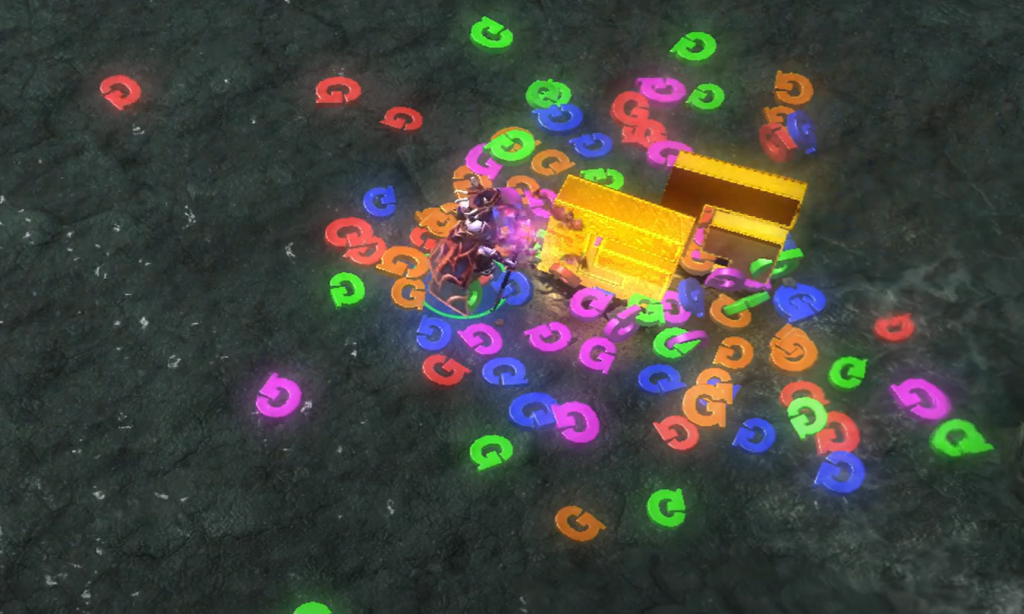
    Animations, aesthetics, and sounds can also be used by players to annoy and frustrate others. Anyone who has played a particularly spicy Jigglypuff player in Smash Bros. knows how old it gets to hear them taunt repeatedly from across the stage. Costumes and cosmetics can be specifically tailored to vex opponents just as easily. Mortal Kombat’s fatalities are infamous for causing players to turn off their game in anger. Were they just as bad back in the arcades? Probably, but being online only exacerbates the issue.

    There is a long precedent of both games that lean into aggressive behavior and avert negative play experiences through clever design. Mortal Kombat 1 is an example of playing both sides: players can brutally disembowel each other post-match but attempting to tea-bag one’s opponent will result in an innocuous taunt instead. NetherRealm Studios also made the baffling decision to let players chat over VoIP by default. Apex Legends does a stellar job of encouraging interaction between team mates without requiring them to communicate verbally or through chat. Most games don’t even allow randomly matchmade opponents to chat with one another, but even canned messages and emojis can be abused. At the end of the day, there is nothing to replace community moderation, but developers have plenty of tools in their repertoire to avert a player’s influence over others’ emotional wellbeing.

    Each piece of your design can and will be used against other players by bad actors if you let them. I should know… I love being an annoying prick in online games, especially when I’m better than my opponent. Do I think that’s a particularly pleasant personality trait? Hell no! There will always be a place for people like me in online games, but it should be a result of intentional design and not an accidental byproduct of innocent intentions. Keep in mind how players will play your game beyond the boundaries of your expectations and help avoid tensions among players by resolving those pain points before they become cudgels used to beat your audience into submission.

  • Ode to the Barrens – Classic WoW Zone Design

    Ode to the Barrens – Classic WoW Zone Design

    When it comes to Vanilla World of Warcraft leveling zones, two stand out the most: Westfall and the Barrens. Each represent the 10-20 leveling experience for both Alliance and Horde respectively. While Westfall was one of the first leveling zones developed for WoW, it’s easy to see how much love and care went into the development of the area. There are long quest chains that tell the story of a gang of bandits and a global conspiracy, as well as smaller, more charming quests that litter the zone. The Barrens, on the other hand, stays relatively true to its name; it’s pretty barren when you get down to it.

    That being said, there is still a large population of the World of Warcraft community (especially those who frequent private servers to get their vanilla fix) that holds the Barrens close to their heart. Nostalgia is a helluva drug, but there might also be something beneath the rose colored glasses worth exploring to discover what made Barrens such a beloved leveling zone, despite it’s obvious short comings.

    5. Crossing the Plains

    One of the biggest complaints about The Barrens (both from the developers and from many players) was that there was far too much walking for a 10-20 zone. Without a mount, having to cross the entire zone on foot could be tedious, running from quest givers in the Crossroads, Ratchet, and Camp Taurajo to their requested destinations across the wild plains. Not only are these areas nearly flat and devoid of vegetation (except for a few oasis scattered around), but what they are heavily populated with is mobs that want to kill you dead.

    In this way, the Barrens is a great example of what made vanilla World of Warcraft so immersive. The wide, open plains reward exploration, provide a unique sense of scale to the world, and offer a wholly unique aesthetic to what we were used to seeing in traditional high fantasy fiction. Despite what modern game design might describe as “barriers to entry” that need to be improved by “quality of life” changes, vanilla World of Warcraft thrives when the player feels like part of a larger world. Sometimes these aspects of Azeroth can be annoying (.e.g Getting stuck on a continent with no idea where to go, etc), but they can often make the results of your labor feel all the more rewarding.

    4. Flight Paths

    On a similar note, thanks to the lack of mounts for players before level 40, the Barrens is a great opportunity to show off Kalimdor in all its glory from above. Flight paths (WoW’s version of taxi cabs or Uber) offer players a great view of the plains, the tops of mountains, and the luscious oasis that pop up throughout the Barrens. Once again, forced downtime (a mechanic that is often considered a sin among modern MMO designers) offers players time to reflect on their quests, plan for their future adventures, and take in all that the world has to offer. Flight paths offer this in spades, giving players a new perspective on the world around them and, perhaps, providing enough of an incentive to explore newfound opportunities while traveling by air.

    3. Wailing Caverns

    World of Warcraft’s instanced Dungeons are almost as much as a part of Azeroth as the open world is. This is especially true of early leveling dungeons, like Deadmines and Wailing Caverns, as they introduced newbies to group content and provided plenty of opportunities for player killers to wreck havoc on the PvE-focused populace. Wailing Caverns is a spectacular dungeon that represents a lot of firsts for fledgling Horde players; not only is it the first dungeon most Orcs, Trolls, Tauren, and Undead come across where they’re in danger of being ganked by Alliance players but it also blurs the line between instanced and open-world dungeon content. Although the maze of caverns can often feel tedious after a few runs through, WC will forever be pillar for why the Barrens is such a memorable leveling zone.

    2. The Crossroads is Under Attack!

    Along a similar train of thought to the Wailing Caverns, the corresponding central quest hub, called the Crossroads, was a bastion for early-WoW world PvP. Low and high level characters alike would duke it out over control of the Horde leveling town. Having quick access by way of the neutral town of Ratchet, Alliance players were given a perfect opportunity to gank unsuspecting Horde lowbies. As is a common pattern for content that stands out in vanilla WoW as particularly memorable, the Crossroads was a hot bed for player interaction, both in group questing and group debauchery and it will forever be synonymous with the pleasures of leveling a Horde toon.

    1. Flavor of the Horde

    One of the most charming factors that brought me to World of Warcraft initially was how different the Horde felt as opposed to other, more traditional high fantasy stories. Most games didn’t revolve around the ugly monsters or the more mundane aspects of life as an orc. The Barrens provides a perfect example of the diverse background of the Horde, giving players a more calm, nature-focused lens through which to view the warriors clans from Orgrimmar. From the scattered outposts to the shimmering oasis, the Barrens will forever be a quintessential part of the leveling experience for Horde players, and as such, outlives whatever perceived flaws designers may have attributed to it over the years. Creating a flat, barren space doesn’t sound like a recipe for game environment success, but the Barrens achieved the nearly impossible.