Tag: expansion

  • Mortal Kombat 1: Refreshing the Multiverse & Upsetting the “Fans”

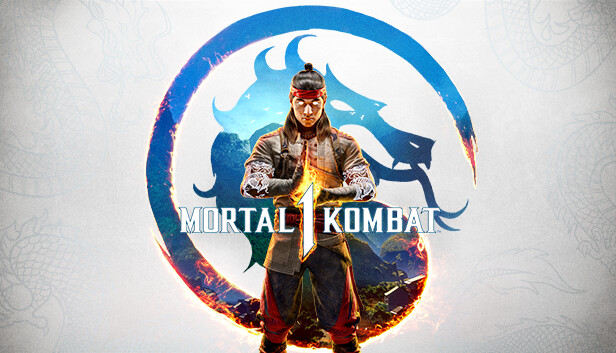
    There’s no pleasing some people. That being said, Mortal Kombat 1 has received a remarkable amount of criticism compared to its contemporaries like Street Fighter 6 and Tekken 8. As a total refresh of the canonical timeline, MK1 was a chance to change up the franchise and try something new. This experiment has paid off in many ways, but has also left subsections of the community feeling aliened and taken advantage of. At the risk of providing a bit of a history lesson, here are some of my thoughts on why Mortal Kombat 1 is way better than folks give it credit for.

    After the release of Mortal Kombat 9, there was no question as to whether NetherRealm Studios was going to do the series justice after the collapse of Midway. Creating a second wave of enthusiasm for traditional 2D fighting, the ninth entry in the series put Mortal Kombat back on the map after a half a decade of substantially different 3D fighters. New and veteran fans alike appreciated the returning cast of characters, over-the-top action, and a story that returned the canon to its roots.

    The second Mortal Kombat entry in the NRS era brought back flavors of MK3 and a faster pace to boot. What it failed to do was embrace the comic nature of the series, instead marketing the release with a Wiz Khalifa music video while focusing on overly dark stages and hyper-violent fatalities. The arcade silliness of old suffered at the hands of updated graphics and a shift towards taking the game too seriously. Downloadable content focused on bringing in horror movie icons from various franchises kept a trend going from MK9’s Freddy Kruger alongside some fan favorites from previous titles.

    Mortal Kombat 11 upped the presentation that the NRS era had become known for with improved graphical fidelity and even more gruesome displays of brutality. Again, the downloadable characters varied between classic kombatants and 80s movie icons like Rambo and Robo Cop. Overall, the community response to MK11 seems to be mixed, comparing it to its predecessors unfavorably in a myriad of ways. That being said, the Mortal Kombat fans who are vocal online seem to be prone to whingeing about whatever gets them the most views on Youtube.

    After a decade of alternating between the Injustice series and Mortal Kombat, the twelfth entry was a chance for NetherRealm to respond to some of the criticism from the previous game more promptly than usual. Mortal Kombat 1 (what an awful name) seemed to embrace “fun” in a way that the previous two games didn’t. As a fan of the more cartoony 2D Kombat of the 90s, I appreciated that color, brightness, and interesting character designs were allowed to return to the realms. The Kameo system fully embraced the tag mechanics from other entries that were previously treated like bonus modes, letting players create dynamic team compositions and extended combos.
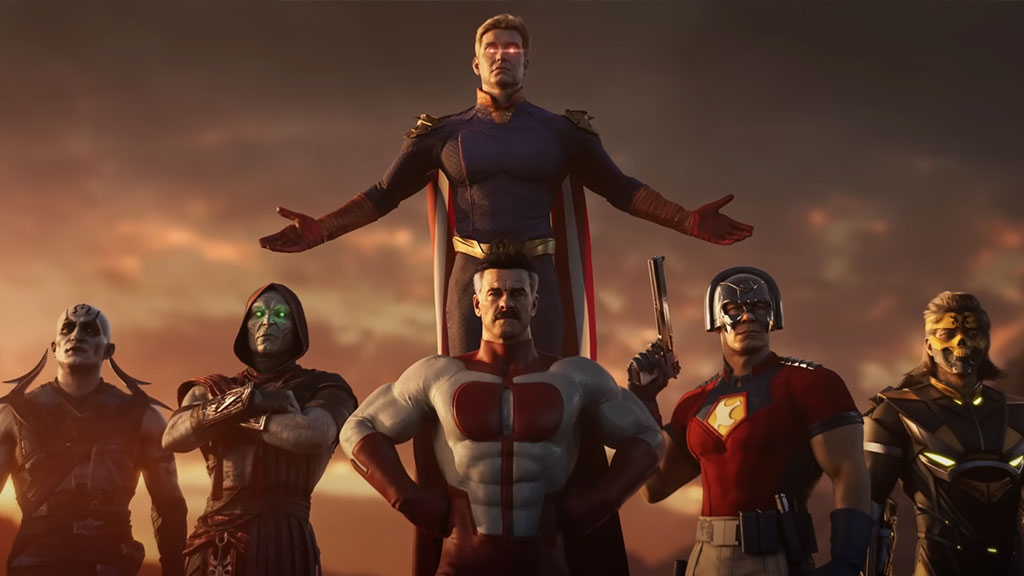
    The downloadable fighters from Kombat Pack 1.

    Now that Mortal Kombat 1 has been out for almost a year, it seems the vocal community is back to its own game of publicly pissing on their favorite franchise for pitifully low ad revenue. What changed? Downloadable content released, promising new fighters and cameos every few weeks. Still, content grifters don’t have enough Mortal Kombat to talk about it seems. The resounding sentiment seems to be that the game appears to be rushed, lacking content, and full of over-priced micro-transactions on behalf of Warner Bros. While it is clearly lacking in substance, the quality of the product has undeniably increased.

    The game lacks some of the special features for casual players that Street Fighter 6 and Tekken 8 have launched with, but outside of a cinematic story mode, challenge towers, and the admittedly half-assed Invasion mode, what do players expect? No fighting game franchise has come close to the casual/competitive cross over appeal that the Smash Bros. series has and Mortal Kombat already has more mainstream success than most video game franchises in the West. From a minimum viable product perspective, Warner Bros. doesn’t need to push NetherRealm to cater to the casual market any more than they already do.

    The plot for Mortal Kombat 1 didn’t give NetherRealm much room to work with, to be fair. As an IP-reset of sorts, Mortal Kombat 1 was always going to have to get over the hurdle of winning over invested Mortal Kombat fans in addition to bringing in new attention. Changes to both aesthetics and gameplay for traditional kombatants were bound to alienate some just as much as the addition of kameos despite them being a point of interest for others. To its credit, MK1 has done a great job of reimagining an otherwise forgettable story with absurdly silly characters into something actually worth getting invested in.

    As the anniversary of its initial launch approaches, an expansion named Khaos Reigns is scheduled to release with three returning characters and three new crossover fighters from others franchises. A full menu of options allow new players plenty of ways to gain access to the features. Needless to say, there’s a lot to be happy about, but it’s too early to say whether NetherRealm Studios will be able to escape the cloud of negativity that more vocal parts of their community seem to thrive on.

  • 5 Ways that Rift Lives on in Guild Wars 2

    5 Ways that Rift Lives on in Guild Wars 2

    (Guild Wars 2: Icebrood Saga – ArenaNet)

    As I’ve mentioned repeatedly before, Rift is one of my favorite MMORPGs. Sadly, I don’t expect to revisit Telara anytime soon, given that the game has long since transitioned to being free-to-play and entered what is effectively a maintenance mode. Another MMORPG has caught my eye, however; I just can’t seem to keep my hands off of Guild Wars 2, especially given ArenaNet recently launched their latest Living World event, the Icebrood Saga. After spending hours reliving my adventures in Tyria, I realized that many of the reasons that I had originally fallen in love with Rift were clearly apparent in Guild Wars’ sequel. Had my favorite MMO been living under my nose all this time? Did my frustration with the changes to the class and skill system in Guild Wars 2 keep me from realizing its brilliance? Either way, let’s jump straight into the top 5 ways that Rift lives on in Guild Wars 2.

    5. Group Quests

    Let’s get the obvious items out of the way, shall we? Rift’s namesake mechanic involved temporal rifts opening up in the wilderness, each requiring a group of adventurers to overcome and fight back the oncoming horde of baddies. Players didn’t need to join a group or invite strangers into their own party to participate as a community to overcome a common goal. Guild Wars 2 picked up where Rift and other MMOs (Warhammer Online comes to mind) left off, allowing players to jump in and out of quests simply by completing their objectives while sharing rewards with nearby players along the way. Not only does this create a more welcoming and accessible world to play in but it creates a more streamlined experience than the more traditional fetch quests of old.

    4. Exploration

    Although Guild Wars made a name for itself just fine without a persistent open-world environment, ArenaNet shifted their focus drastically with the sequel to emphasize exploring Tyria. Similarly, Rift implemented plenty of features to keep players from AFKing in their faction’s major city waiting for dungeon queues to pop. Whether it was open world puzzles, group events, or artifact hunting, the ascended of Telara always had some reason to explore the world. This seems like an essential part of any MMORPG, but what Rift and Guild Wars 2 accomplish that many other MMOs fail to do is provide a reason to explore outside of the main leveling experience. It’s an open world out there, so it makes sense to have plenty of things to do in it.

    3. Armies of Invaders

    In addition to the portals opening up all around Telara, Rift shook things up by having armies of enemies attack nearby towns and cities to disrupt the leveling experience. The idea of world events isn’t new, but when a giant world boss and their army of minions march on your home for the first time, it shows just how cinematic group experiences in MMOs can be. Guild Wars also embraced this as a part of their group questing mechanics. While most quests involve helping out a local farmer or harvesting resources, some involve nearby enemies laying siege to quest hubs or a zone boss killing low-level players en masse. These kinds of moments are what MMORPGs are all about, and the sense of scale and purpose just can’t be matched in other games.

    2. Mentoring

    MMORPGs, more often than most other genres, carry a lot of baggage from bygone eras. Some games embrace the silliness of endlessly slaying monsters on the hedonistic treadmill we call “grinding,” while others prefer not to shy away from the fact that levels as a concept are outdated. Rift and Guild Wars 2 are definitely the latter, despite the fact that both include level caps that come close to triple digits and leveling experiences that could take a few months to complete. Rift’s answer to the question of leveling was to implement a mentoring system to allow players of different levels to scale their stats to something closer in power level to make adventuring together more fun and engaging. Guild Wars does something similar, except that it is done automatically upon entering a zone, creating a seamless world that most other MMOs fail to achieve.

    1. Back to the Action

    When you think quick, simple fun, you probably don’t think of MMOs. Some developers have put significant work towards ensuring that isn’t the case, however. Rift, especially later in its lifespan, developed many features under the philosophy of getting players into the action as fast as possible. Their answer, among other things, was to include an Instant Adventure button that quite literally instantly teleports the player to another place and gives them a specific objective to complete with another group of adventurers. Tired of instant adventure? Try some of the singleplayer story content or instanced PVP. Crafting, costumes and other sideshows fill out the usual suite of features for a theme park MMO, but providing content is clearly not the same as guiding the player through it, which both Rift and Guild Wars 2 do spectacularly.

    I hope you enjoyed this short romp through memory lane. If you’d like to read more posts like this one or if you remember a specific MMO memory that has stuck with you, feel free to let us know in the comments below.

    Happy hunting!