Tag: Valve

  • Deadlock: Old Gods, New Blood Review or Why We Play Games That Hurt Us

    Deadlock: Old Gods, New Blood Review or Why We Play Games That Hurt Us

    Deadlock may be a game without an intended audience, but it’s clear that hasn’t stopped Valve’s latest experiment from succeeding. After an extended period of open beta testing, the Old Gods, New Blood patch has updated the game’s overall look and feel to be more cohesive and expressive. Red team is now fighting under the Hidden King and the Blue team are followers of the Arch Mother.
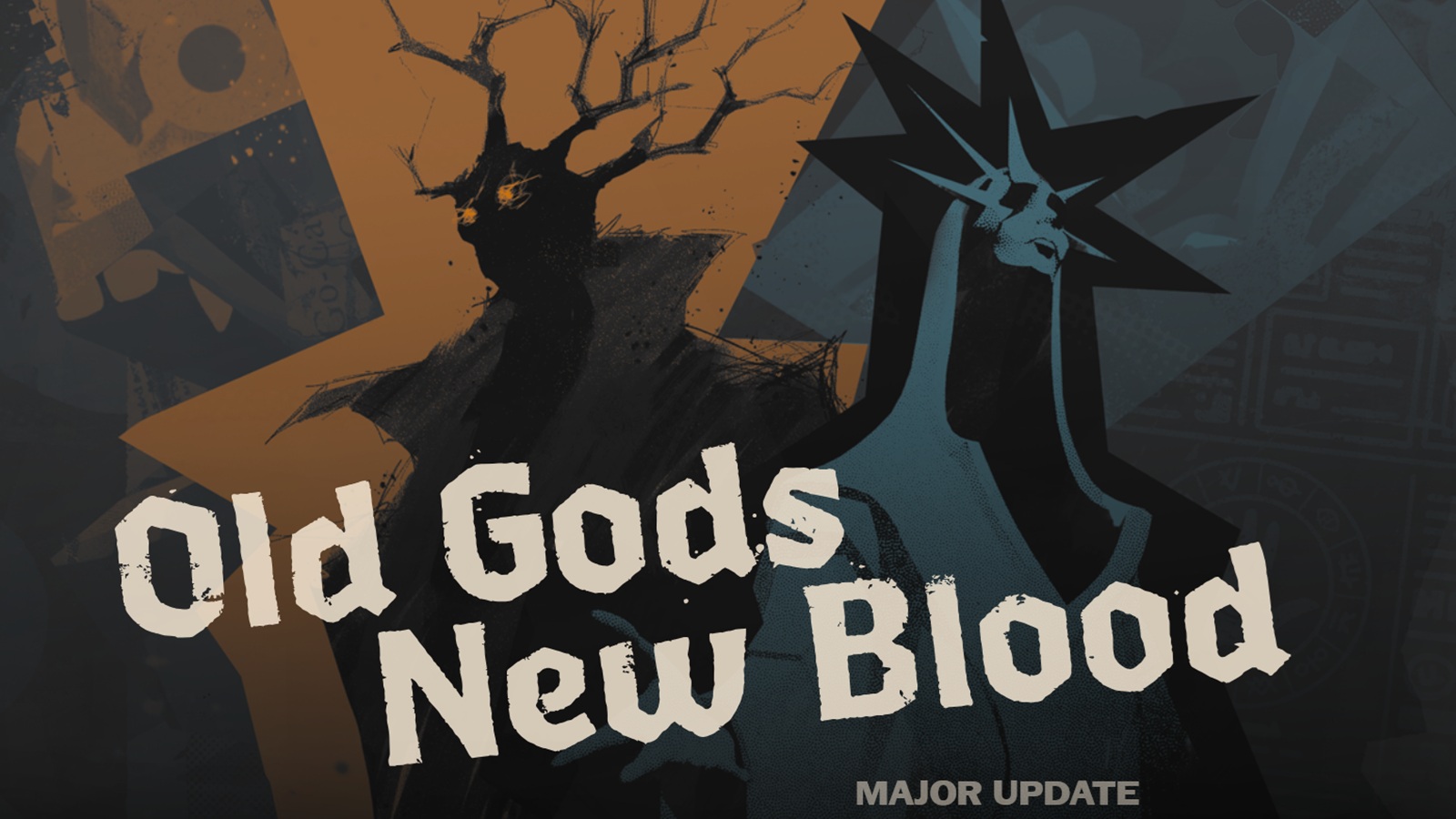
    What remains from my previous endeavor in Valve’s fictional New York City is gameplay that hasn’t evolved much past Defense of the Ancients circa 2006 fused together with a loose interpretation of what it means to be a third-person shooter. The game is still split into two major components: character select and item select. Normally, I would complain about the fact that Valve is dead set on making this more akin to an ARTS like DOTA or Smite than a traditional “hero” shooter. Items in Deadlock are exemplary of what they should be for the genre it is in, despite me wishing they didn’t exist. Being able to adjust your character’s strengths and weaknesses throughout a match is very useful to avoid players feeling like games are decided solely by character select. All in all, the MOBA-style gameplay loop offers players who might not be comfortable with a more shooting focused third-person shooter a more comfortable on-ramp, making Deadlock easier to find a friends to play with than others.

    The biggest deciding factor in a character’s strategic diversity is their weapon of choice, which lead to lopsided character balance and annoying match ups. McGuiness, for example, can benefit from a wide array of different types of items, but due to her gatling gun-styled weapon, she can also upgrade her basic attack to a ridiculous level. This can feel like a lottery at times, as the usefulness of a character’s weapon often feels like its based on aesthetic preferences from the character artists rather than intended game design.

    What’s left over is better than the sum of its parts, but only just. Every aspect of Deadlock seems to be designed to bring in as many new players to both third-person shooters and ARTS/MOBA as possible while greasing the wheels and leaving up the guard rails up to avoid giving players any reason to stop playing. What’s more accessible than a game that plays itself once you’ve been fed enough and can follow an enemy’s silhouette with your crosshair?

    On the topic of accessibility, Deadlock suffers from the same issues as its predecessors—namely that it has 30+ characters and even more items that can fit into up to eight item slots, making for an innumerable amount of information for new players to digest before playing optimally. How games like this get new players and folks still struggle to play fighting games is beyond me.

    Last of note is how Valve has been releasing new characters. Each big update has come with a set of fresh heroes to play as and against. 2025 brought with it Victor, Paige, Drifter, Mina, and Billy. From my experience, four out of six of these characters are either:

    1. Annoying as hell to fight against
    2. Way too powerful when fed early on
    3. Lacking much skill expression to make better players stand out
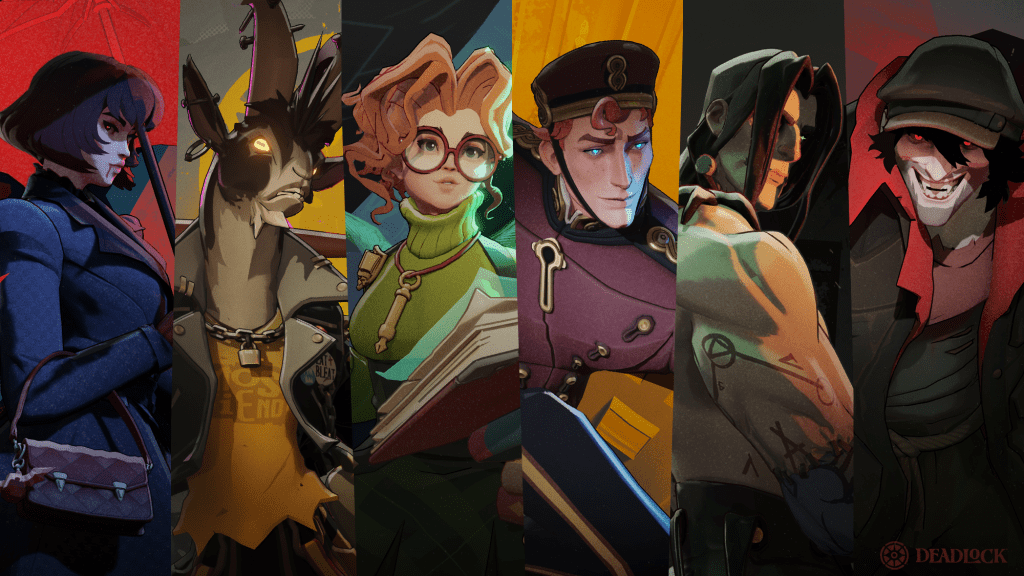
    You can guess who is who.

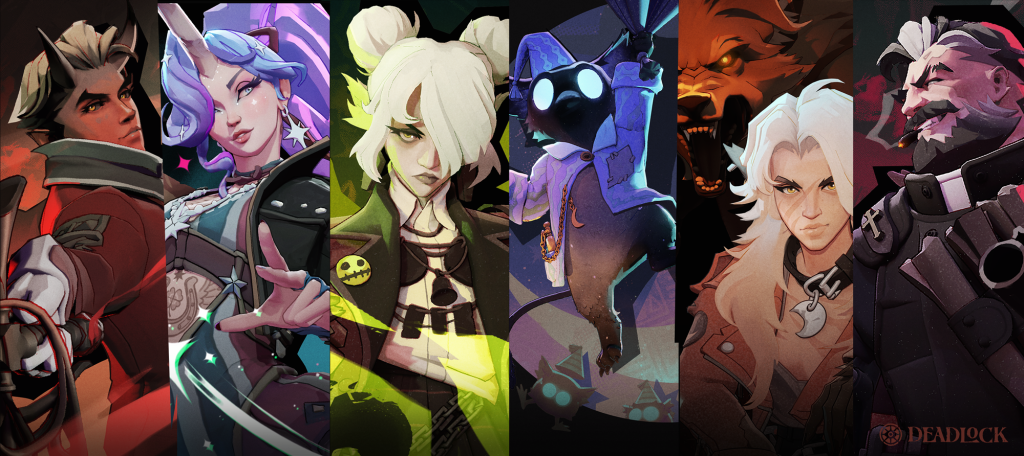
    Olds Gods, New Blood has brought another sinister six to the roster, including Apollo, Celeste, Graves, Rem, Silver, Venator. Although only two are released as of this publication, I can already tell that Rem and Graves are described by at least one of the there complains listed above, if not all three.
    As the lines blur between open beta and a soft release, Valve has made it abundantly clear that their release cycles will mimic other games in the genre to a tee. New characters will dominate until player backlash becomes too much to ignore and the community’s whales have been drained of all of their precious oil. Annoying character designs will also be characters who are incredibly powerful and dominant in matchmaking, and they will never feel as devastating when a team mate is controlling them.

    I’m still enjoying myself with Deadlock, but I suspect it has more to do with my investment in the genres it borrows from and my friends logging in to play more than the game design itself. I would have fun rubbing rocks together if my friends were down. This game feels like any game you might play with friends, except it is intended to annoy you to death over the course of a 60 minute match.
  • Deadlock Review – Who Asked For This?

    There’s something about shooters (FPS or third-person) that has led them to become one of the most popular types of games for as long as we’ve been able to put pixel to screen. Valve was and continues to be at the forefront of FPS development and can be somewhat to blame for the last decade of team-based shooters trying to bite Team Fortress 2’s success. Concord and Overwatch 2’s failures to launch make me wonder what the heck Valve is trying to do with their latest FPS project, Deadlock.

    Similar to Counter Strike and Team Fortress Classic, Dota 2 has also helped pushed Valve to the front of the ARTS space. Deadlock adopted much of the lessons that they’ve learned from the sequel to Defense of the Ancients and the sequel to Team Fortress to create a combination FPS ARTS. Deadlock’s current state of development reminds me a LOT of the state of the ARTS scene prior to the release of League of Legends. Valve is clearly playing it very safe, but at the same time, they are fusing two genres together in a way that doesn’t speak to a team trying to replicate the success of Riot Games in the 2010s.

    If Valve’s goal is to capture the wave of casual players that gave Tencent a reason to buy Riot Games in the first place, I don’t think that Deadlock will succeed. Not only is it more similar to Dota 2, which leans more complex and competitive, but the hybrid nature of the game will likely present too many barriers to entry for those who would prefer to cosplay or draw fan art than to grind ranked. In this regard, Marvel Rivals has Deadlock beat. Having to find five other players to play with is enough of a hassle, never mind having to aim, plan item builds, and coordinate with those team mates to achieve collective goals.

    If the goal is to create a new FPS that competes with games like Team Fortress 2, Apex Legends, or Counter Strike, then why is so much of the game focused on aspects other than aiming at your opponent and shooting them? So far, it feels that Deadlock borrows about 70% of its DNA from Dota and the remaining 30% from Team Fortress 2. This leads to drastic shifts in survivability, damage output, and utility can change how the game is played through its different phases and between matches. I don’t assume to speak for all FPS players, but it feels like they generally prefer the mechanical core of their games to be more in focus than what some might call “fluff.” I don’t see why an FPS player would pick Deadlock over a game that actually values the skills and abilities that they’ve specifically honed.

    At the end of the day, Deadlock will either end up as an ARTS with guns or an FPS with special abilities, and I don’t suspect either will be able to necessarily bridge the gap between the genres. I also don’t think more of a combination of the two styles of games will be all that appealing after a while. When I played Counter Strike mods that included special abilities back in the day, I preferred that they assisted me in accomplishing my goals of shooting my opponents and not getting shot myself rather than supplementing the traditional gameplan of an FPS with spinning around like a cartoon character or putting up giant walls to block my opponents only path of retreat. That shit is whack as hell.

  • AutoChess Review – A Refreshing Blast from the Past

    AutoChess Review – A Refreshing Blast from the Past

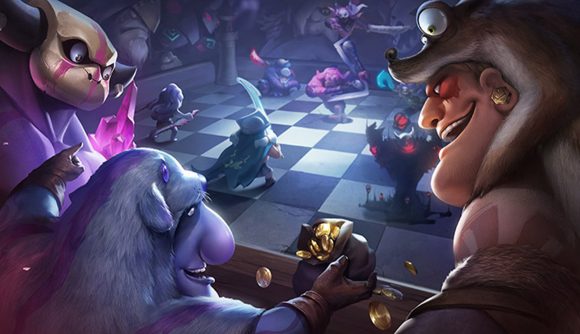
    If you would have told me that a Chinese mobile game would be my latest obsession only three months ago, I would have had a hard time believing you. Sure, I’ve dabbled in mobile gaming before, but I usually prefer to play puzzle games like Sudoku or Picross over more complex games. Then, Auto Chess caught my attention.

    I just so happened to be browsing Twitter one fateful day when I read a Tweet about a popular DotA 2 mod turned mobile game. Players were arguing that Value and Riot Games shouldn’t be so quick to copy the hard work of devoted modders by releasing their own official Auto Chess game modes. Word through the grapevine was that anyone who respected the hard work of the mod community (e.g. me) should support the official version of Auto Chess released by Dragonest Co. Eager to try it out, I downloaded the app on my phone and dug in.

    Not only is Auto Chess essentially an old Warcraft 3 map brought back to life on my smartphone sixteen years later, but it’s also a fantastically addictive mobile game to boot. Those two things are exactly what I need in my life right now, as weird as it sounds. One of my favorite aspects of the Warcraft 3 modding community that I sorely miss is the propensity towards designing games that essentially play themselves. This, combined with the theme of snowballing power creep brought me immediately back to playing custom maps on Battle.net.

    Since the game was originally developed as a DotA 2 custom mode, each “chess” piece is based off a hero from Defense of the Ancients. If you’ve spent any time playing either DotA Allstars or DotA 2, you’ll feel right at home in Auto Chess. If you haven’t, don’t worry; the game is actually quite simple once you get the basics.

    In Auto Chess, you select a chess piece from among a random selection of five different pieces each round. You place pieces on the board and at the start of every round the pieces you’ve played come to life to fight against either another player’s pieces or a selection of A.I. controlled “creeps.” Sometimes these creeps drop items which you can equip to specific chess pieces. Each chess piece has a role, similar to their DotA counterparts, and both a race and a class associated with them. These identifiers make up the core mechanic of Auto Chess, and essentially boil down to a game of mixing and matching colored symbols. Combining chess pieces of specific races or classes provides your whole team with special bonuses. You can also combine three or more of a specific type of chess piece to upgrade their rank and increase their stats.

    If you can understand a gambling game about matching up three of a kind, you can play Auto Chess.

    Some of my favorite aspects of Auto Chess are also tied directly to its design towards mobile. For example, I get a great sense of pride from performing well enough in Auto Chess that I can actively ignore my phone and know I still have a good chance of winning the match. It’s also handy to not have to constantly be paying attention to a mobile game since you are encouraged to play them on the go and are therefore more prone to being interrupted.

    Let’s go back to that hypothetical that I started this all with and flip it around. If you went back to my high school self and told him that I would be playing what was essentially a Warcraft 3 custom map on my phone and having a blast, he would probably be ecstatic. This jenky little mobile game has stolen my heart at a point when I really needed a pick-me-up. Do I think I’ll be playing this game in 6 months? For my sake, I hope not. That being said, I’m having a ball right now and will enjoy the hell out of this ride while it lasts.

    I give Auto Chess 4 George Costanzas out of 5.