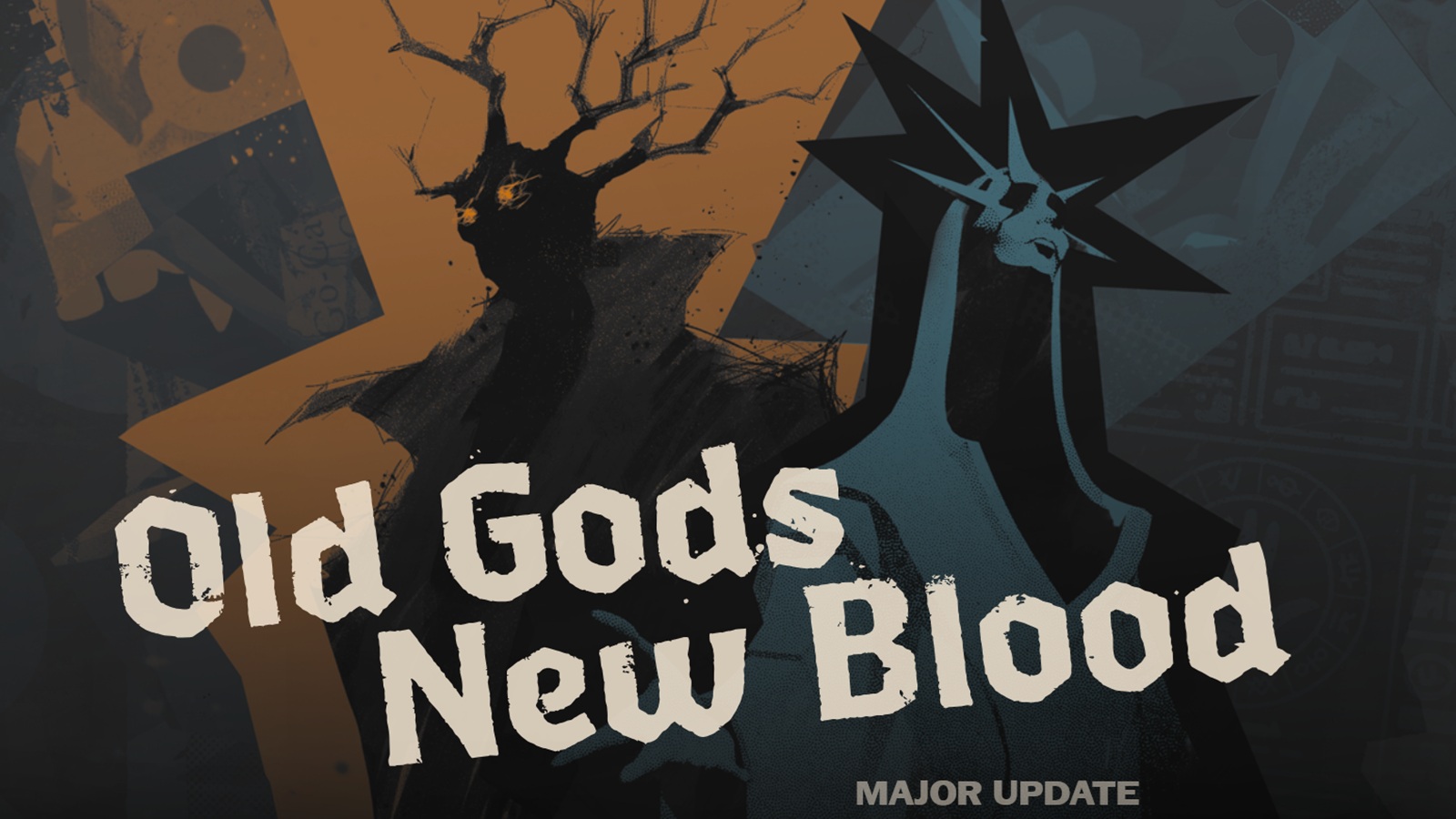
Deadlock may be a game without an intended audience, but it’s clear that hasn’t stopped Valve’s latest experiment from succeeding. After an extended period of open beta testing, the Old Gods, New Blood patch has updated the game’s overall look and feel to be more cohesive and expressive. Red team is now fighting under the Hidden King and the Blue team are followers of the Arch Mother.
What remains from my previous endeavor in Valve’s fictional New York City is gameplay that hasn’t evolved much past Defense of the Ancients circa 2006 fused together with a loose interpretation of what it means to be a third-person shooter. The game is still split into two major components: character select and item select. Normally, I would complain about the fact that Valve is dead set on making this more akin to an ARTS like DOTA or Smite than a traditional “hero” shooter. Items in Deadlock are exemplary of what they should be for the genre it is in, despite me wishing they didn’t exist. Being able to adjust your character’s strengths and weaknesses throughout a match is very useful to avoid players feeling like games are decided solely by character select. All in all, the MOBA-style gameplay loop offers players who might not be comfortable with a more shooting focused third-person shooter a more comfortable on-ramp, making Deadlock easier to find a friends to play with than others.
The biggest deciding factor in a character’s strategic diversity is their weapon of choice, which leads to lopsided character balance and annoying match ups. McGuiness, for example, can benefit from a wide array of different types of items, but due to her gatling gun-styled weapon, she can also upgrade her basic attack to a ridiculous level. This can feel like a lottery at times, as the usefulness of a character’s weapon often feels like its based on aesthetic preferences from the character artists rather than intended game design.
What’s left over is better than the sum of its parts, but only just. Every aspect of Deadlock seems to be designed to bring in as many new players to both third-person shooters and ARTS/MOBA as possible while greasing the wheels and leaving up the guard rails up to avoid giving players any reason to stop playing. What’s more accessible than a game that plays itself once you’ve been fed enough and can follow an enemy’s silhouette with your crosshair?
On the topic of accessibility, Deadlock suffers from the same issues as its predecessors—namely that it has 30+ characters and even more items that can fit into up to eight item slots, making for an innumerable amount of information for new players to digest before playing optimally. How games like this get new players and folks still struggle to play fighting games is beyond me.
Last of note is how Valve has been releasing new characters. Each big update has come with a set of fresh heroes to play as and against. 2025 brought with it Victor, Paige, Drifter, Mina, and Billy. From my experience, four out of six of these characters are either:
- Annoying as hell to fight against
- Way too powerful when fed early on
- Lacking much skill expression to make better players stand out
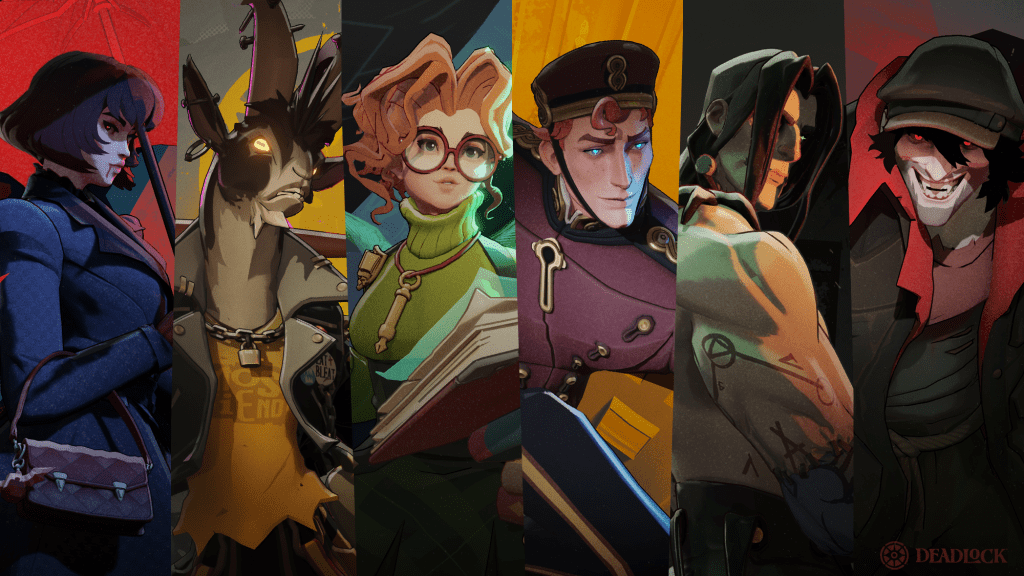
You can guess who is who.
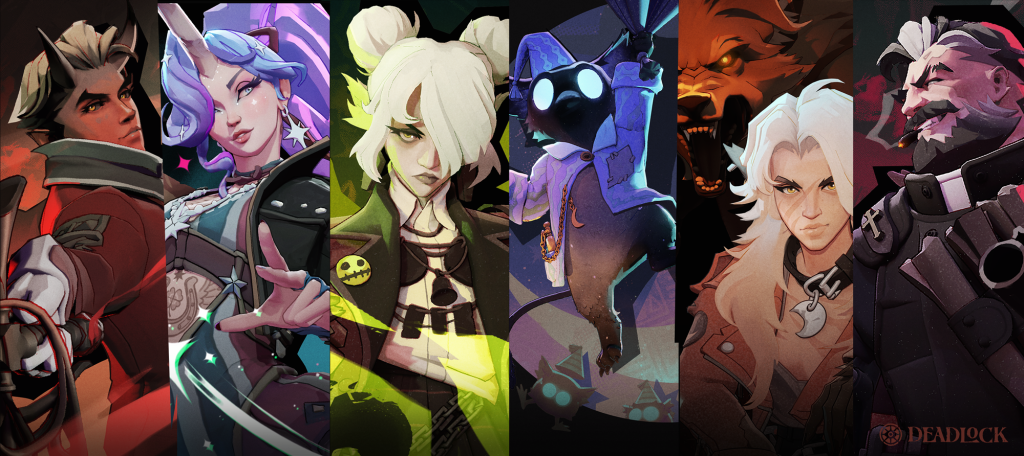
Olds Gods, New Blood has brought another sinister six to the roster, including Apollo, Celeste, Graves, Rem, Silver, Venator. Although only two are released as of this publication, I can already tell that Rem and Graves are described by at least one of the there complains listed above, if not all three.
As the lines blur between open beta and a soft release, Valve has made it abundantly clear that their release cycles will mimic other games in the genre to a tee. New characters will dominate until player backlash becomes too much to ignore and the community’s whales have been drained of all of their precious oil. Annoying character designs will also be characters who are incredibly powerful and dominant in matchmaking, and they will never feel as devastating when a team mate is controlling them.
I’m still enjoying myself with Deadlock, but I suspect it has more to do with my investment in the genres it borrows from and my friends logging in to play more than the game design itself. I would have fun rubbing rocks together if my friends were down. This game feels like any game you might play with friends, except it is intended to annoy you to death over the course of a 60 minute match.

 tommgoldrick.com