I grew up playing alongside the Nintendo DS and now have built in nostalgia for playing through the DS-vanias as a kid. Although emulation has been readily available for a long time, the Dominus Collection offers fans a way to enjoy the three games on newer consoles and PC with a clean presentation and without the hassle of hunting down roms.
After playing though Odallus: the Dark Call, it felt appropriate to jump straight into the series that inspired it. Dawn of Sorrow may be my favorite of the DS Castlevania, so I chose to playthrough it first before giving my viewers and opportunity to vote on what game I should play next. Turns out, they wanted Dark Souls 2!
Well, too bad! It only took me approximately 11 hours and 28 minutes to beat Dawn of Sorrow, breaks and all. I think I can be forgiven for getting a little ahead of myself.
If you missed the excitement live, you can always watch the livestream VODs above.
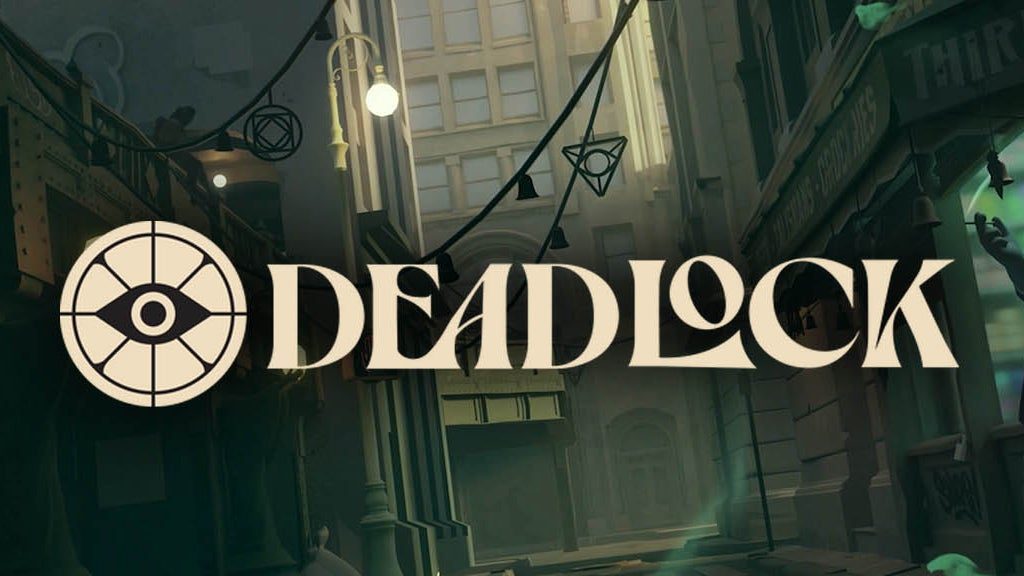
There’s something about shooters (FPS or third-person) that has led them to become one of the most popular types of games for as long as we’ve been able to put pixel to screen. Valve was and continues to be at the forefront of FPS development and can be somewhat to blame for the last decade of team-based shooters trying to bite Team Fortress 2’s success. Concord and Overwatch 2’s failures to launch make me wonder what the heck Valve is trying to do with their latest FPS project, Deadlock.
Similar to Counter Strike and Team Fortress Classic, Dota 2 has also helped pushed Valve to the front of the ARTS space. Deadlock adopted much of the lessons that they’ve learned from the sequel to Defense of the Ancients and the sequel to Team Fortress to create a combination FPS ARTS. Deadlock’s current state of development reminds me a LOT of the state of the ARTS scene prior to the release of League of Legends. Valve is clearly playing it very safe, but at the same time, they are fusing two genres together in a way that doesn’t speak to a team trying to replicate the success of Riot Games in the 2010s.
If Valve’s goal is to capture the wave of casual players that gave Tencent a reason to buy Riot Games in the first place, I don’t think that Deadlock will succeed. Not only is it more similar to Dota 2, which leans more complex and competitive, but the hybrid nature of the game will likely present too many barriers to entry for those who would prefer to cosplay or draw fan art than to grind ranked. In this regard, Marvel Rivals has Deadlock beat. Having to find five other players to play with is enough of a hassle, never mind having to aim, plan item builds, and coordinate with those team mates to achieve collective goals.
If the goal is to create a new FPS that competes with games like Team Fortress 2, Apex Legends, or Counter Strike, then why is so much of the game focused on aspects other than aiming at your opponent and shooting them? So far, it feels that Deadlock borrows about 70% of its DNA from Dota and the remaining 30% from Team Fortress 2. This leads to drastic shifts in survivability, damage output, and utility can change how the game is played through its different phases and between matches. I don’t assume to speak for all FPS players, but it feels like they generally prefer the mechanical core of their games to be more in focus than what some might call “fluff.” I don’t see why an FPS player would pick Deadlock over a game that actually values the skills and abilities that they’ve specifically honed.
At the end of the day, Deadlock will either end up as an ARTS with guns or an FPS with special abilities, and I don’t suspect either will be able to necessarily bridge the gap between the genres. I also don’t think more of a combination of the two styles of games will be all that appealing after a while. When I played Counter Strike mods that included special abilities back in the day, I preferred that they assisted me in accomplishing my goals of shooting my opponents and not getting shot myself rather than supplementing the traditional gameplan of an FPS with spinning around like a cartoon character or putting up giant walls to block my opponents only path of retreat. That shit is whack as hell.
 tommgoldrick.com